Lectins as Plant Defense Proteins – A Deeper Look
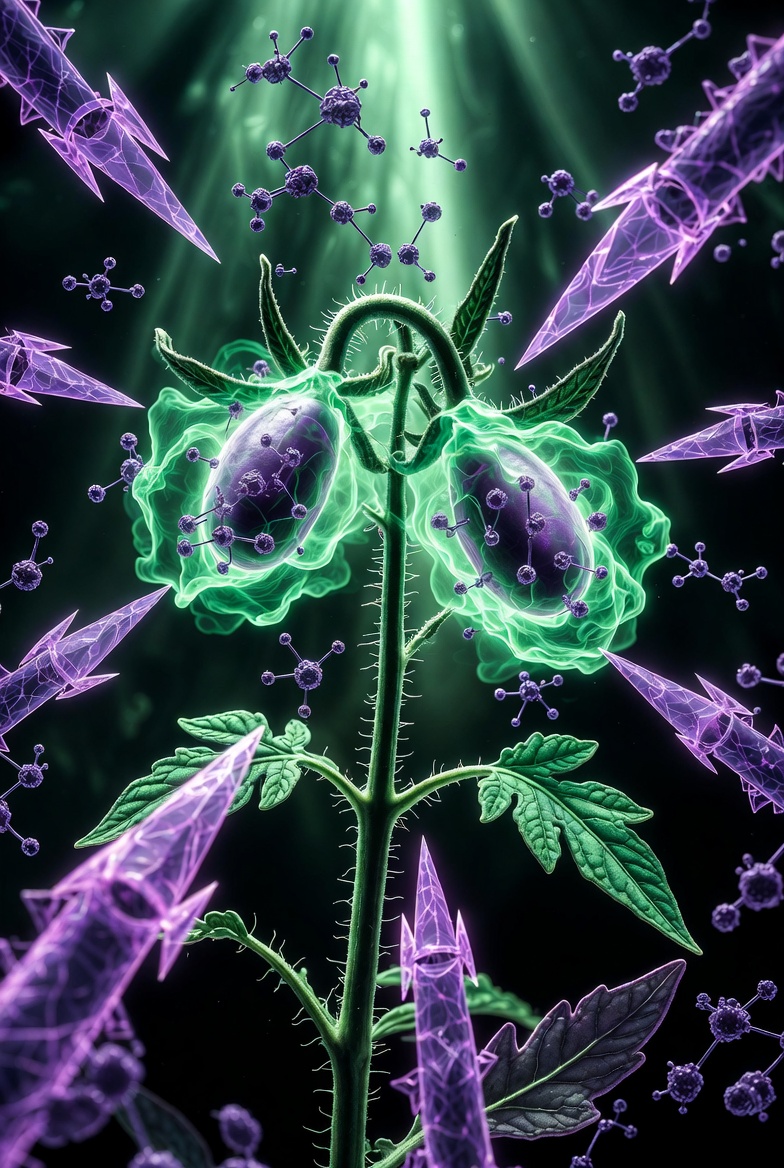
My research in search of food protocols lead me to learn about lectins. After reading about them I personally avoid lectin rich foods, as they have been shown to be extremely damaging to our gut wall and bodies over time. Lectins are carbohydrate-binding proteins produced by plants (and some animals/microbes). Their main job in the plant world is protection. Plants can’t run or fight, so they create these proteins as chemical “weapons” to discourage insects, animals, fungi, and even us from eating them (especially the seeds, leaves, or roots where the next generation is protected). They are highly resistant to heat, digestion, and breakdown — many even survive cooking and stomach acid. I did immediately think about how our body naturally defends itself against these chemicals. It turns out we were doing just fine with them until the turn of the 19th and 20th century with an introduction of endocrine disruptors. Endocrine-disrupting chemicals (EDCs) are natural or human-made chemicals that may mimic, block, or interfere with the body’s hormones.
The constant exposure to these EDCs are wreaking havoc to our microbiome environment, impacting our gut-wall defenses and allowing lectins to become increasingly more dangerous. They typically can be dissolved by stomach acid and we even have bacteria that eat lectins. However, two things have occurred in western society weakening our defensives: Number one, the overuse of broad spectrum antibiotics both in humans and the animals we eat. There’s antibiotic residues in the animals in United States, most of our beef, pork and chickens contain them. These antibiotics kill the microbiome.
And second, are the immense ultra processed chemicals in our foods today. If you eat any processed foods regularly chances are your gut is being comprised not even mentioning all the other sources of EDCs from our environment. Just with these two practices we’ve lost a lot of our natural defense system against lectins.
Lectins are sometimes called sticky proteins because they actually seek out sugar molecules to bind to. They particularly like to grab hold of sialic acid – a type of sugar found in your brain, gut, nervous tissue, and even in human milk. This binding disrupts tight junctions in the gut, allows unwanted particles into the bloodstream, and can contribute to low-grade chronic inflammation. These sugar molecules not only line our gut, they line our joint surfaces, the space between nerve transmission, they’re in the myelin sheath of the nerves, and even line the surface of our blood vessels. In sensitive people they can increase intestinal permeability (leaky gut), send stress signals throughout the body via the gut-brain axis, promote systemic inflammation, immune overactivation, and even interfere with mitochondrial efficiency and nervous system signaling.

Leaky Gut Diagram Shows Healthy Vs Damaged Gut Lining, Highlighting Epithelial Cells, Tight Junctions, and Triggers
Helpful Analogy: The Velcro Invaders (Lectins)
Imagine your gut lining as a beautiful, well-maintained garden wall made of delicate living tiles (your intestinal cells), each covered in a specific sugary pattern (like a unique mosaic).
Lectins are like tiny Velcro-covered burrs that plants scatter:
– Most foods have a few burrs, but high-lectin foods (modern grains, beans, nightshades, etc.) are loaded with them.
– When you eat them, these Velcro burrs float through your digestive tract and start sticking to the sugary patterns on your gut wall.
– They don’t let go easily. They can block normal nutrient absorption, irritate the tiles, create tiny holes in the wall (leaky gut), and trigger your immune system to come in with “repair crews” that cause inflammation as collateral damage.
– Over time, this constant low-level attack forces your body (especially mitochondria) to spend energy on defense and repair instead of healing, energy production, and neuroplastic recovery.
Practical take away
The foods in your diet bring these velcro invaders in and if you create a lifestyle that has very low or no lectins — they don’t bring those invaders in. Resulting in your gut wall staying smoother, giving your microbiome the environment to produce more beneficial post-biotics (butyrate, etc.), and your mitochondria can focus on uncoupling, and increasing ATP (energy) production.

Figure 2. Lectin-free Diet – Avoid List
Some foods high in lectins can simply be prepared in a particular way (peeled, soaked, and/or pressure cooked) to reduce the lectin content whilst others need to be completely avoided on a lectin-free diet. Here’s common examples, peel and deseed nightshade vegetables, and pressure cook legumes (beans).
Why This Matters
In society today, protecting our gut-brain axis and reducing any source of chronic inflammation will be a key to wholeness. By removing lectins you lower the unnecessary “defense load,” giving your body more resources for:
– Mitochondrial efficiency and mild uncoupling.
– Stable nerve signaling.
– Neuroplasticity.
– Overall whole body vitality.
Keep the faith,
Corey
The entire contents of this blog are based upon the opinions/research of Corey Diggins, unless otherwise noted. Individual articles are based upon the opinions of the respective author, who retains copyright as marked. The information on this blog is not intended to replace a one-on-one relationship with a qualified health care professional and is not intended as medical advice. It is intended as a sharing of knowledge and information from the research and experience of Corey Diggins. Corey Diggins encourages you to make your own health care decisions based upon your research and in partnership with a qualified health care professional.
Resources:
Figure 1.
VectorMine. Leaky Gut Diagram Shows Healthy Vs Damaged Gut Lining, Highlighting Epithelial Cells, Tight Junctions, and Triggers. Dreamstime, 2023, https://www.dreamstime.com/leaky-gut-diagram-shows-healthy-vs-damaged-gut-lining-highlighting-leaky-gut-diagram-shows-healthy-vs-damaged-gut-lining-image405949268. Accessed 22 July 2026.
Figure 2.
Higl, Leah. Lectin-free Diet – Avoid List. Ideal Nutrition, 3 Sept. 2021, https://www.idealnutrition.com.au/should-you-go-lectin-free-reviewing-the-plant-paradox-diet/. Accessed 22 July 2026.


0 Comments